Dash Cams 2026: 3 Drivers Who Don't Need One
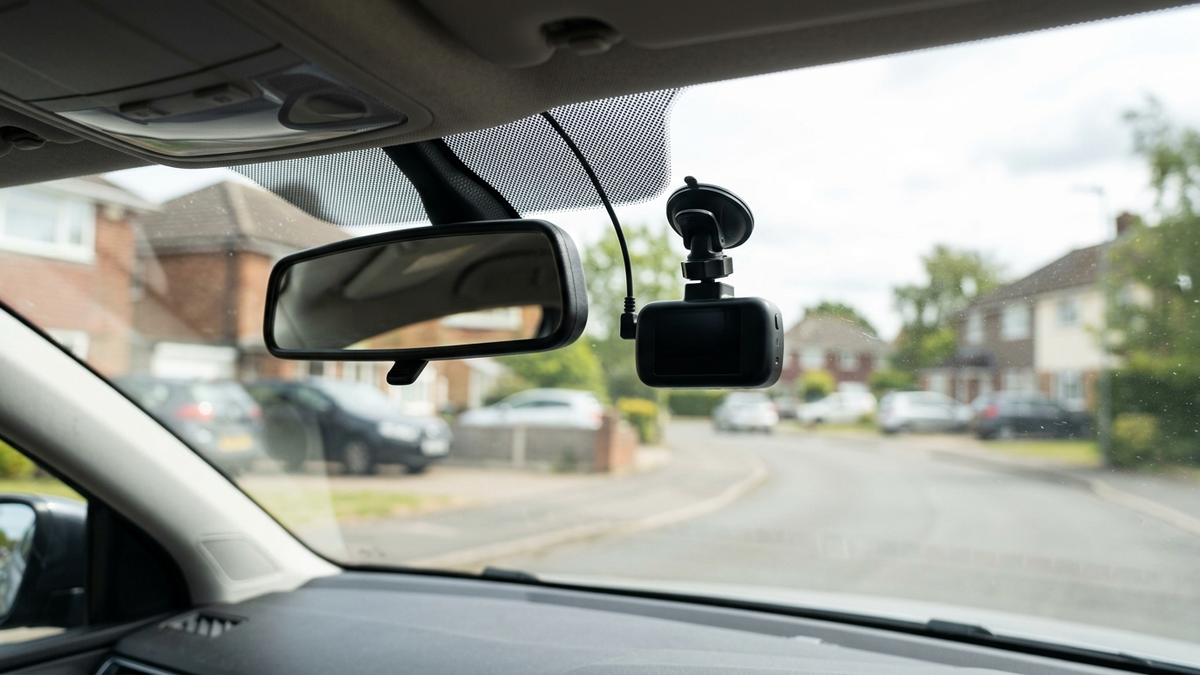
Dash cams have moved from a niche import-car accessory to a mainstream purchase. The North American dashboard camera market was worth an estimated $1.31 billion in 2026 and is projected to grow at a 10.72% compound annual rate to roughly $2.18 billion by 2031, according to market researcher Mordor Intelligence, with smart (connected) models accounting for an estimated 62% of regional sales. Most buying guides treat that growth curve as a reason everyone should have one mounted on their windshield. A closer look at insurance policy, built-in vehicle hardware, and free software alternatives tells a narrower story: for at least three specific driver profiles, a dedicated $100–$400 dash cam adds little that they don’t already have.
This isn’t an argument that dash cams are a bad product. For most drivers, independent evidence that a dash cam resolved a fault dispute or caught a hit-and-run is easy to find, and the devices genuinely perform the job they’re built for. It’s an argument that “the category is growing fast” and “you personally need to buy one” are different claims, and that for a few driver types, the honest answer is to use something they already have instead.
As an Amazon Associate, Arekore earns from qualifying purchases. The Amazon product links in this article include our affiliate tracking ID and may earn us a commission if you buy through them, at no additional cost to you. See our Links Policy for details on how we select products and how commissions do not influence our recommendations.
TL;DR / Quick Verdict
- Tesla and other EV owners whose vehicle already runs a built-in dashcam/Sentry Mode system get limited marginal benefit from an aftermarket unit unless they specifically need 4K resolution, cloud backup, or recording that doesn’t drain the 12V battery while parked.
- No major U.S. insurer (State Farm, Allstate, Progressive, GEICO) offers a standardized automatic premium discount just for owning a dash cam, so buying one purely “for the insurance savings” is based on a benefit that doesn’t currently exist as a line-item discount.
- Very low-mileage drivers already enrolled in a usage-based insurance (telematics) program have less to gain. Average U.S. annual mileage is 13,596 miles; drivers under roughly 7,500 miles a year face proportionally fewer fault-dispute scenarios, and their insurer already has objective driving-behavior data feeding their rate.
- Occasional drivers who just need basic footage for a fault dispute can get most of the benefit from a free smartphone app (Nexar’s free app, for example) instead of a dedicated $100+ hardware unit.
- The category still earns its growth for a real audience: daily commuters, rideshare and delivery drivers, and anyone without an existing camera system who wants 4K footage, parking-mode protection, or cloud backup a phone app can’t reliably provide.
How We Reached These Conclusions (Methodology)
This is an editorial analysis, not a hands-on test. We did not personally test the products covered here. This guide synthesizes: (a) Consumer Reports’ dash cam test results and scoring methodology (daytime/nighttime video quality, audio quality, versatility, ease of installation), current as of their September 2026 ratings update; (b) Wirecutter’s dash cam buying guide and its top pick, selected after researching more than 400 models and hands-on testing 61 since 2013; (c) manufacturer documentation for Tesla’s built-in Dashcam and Sentry Mode features and for Nexar’s free smartphone dash cam app; (d) published insurance-industry sources on usage-based insurance (UBI) programs, including State Farm Drive Safe & Save and Progressive Snapshot discount ranges and mileage thresholds; (e) Federal Highway Administration average annual mileage data as reported by Insurify; and (f) legal-industry publications on dash cam footage admissibility and two-party-consent recording laws. Where a figure is a manufacturer’s own claim rather than an independently verified measurement, it is labeled as such. We did not find a sourced, verifiable figure for what share of all dash cam purchases come from the three groups discussed below, so that proportion is not claimed as a statistic. Prices are amazon.com figures at the time of writing (October 2026) and fluctuate.
Why Market Growth Doesn’t Mean Universal Fit
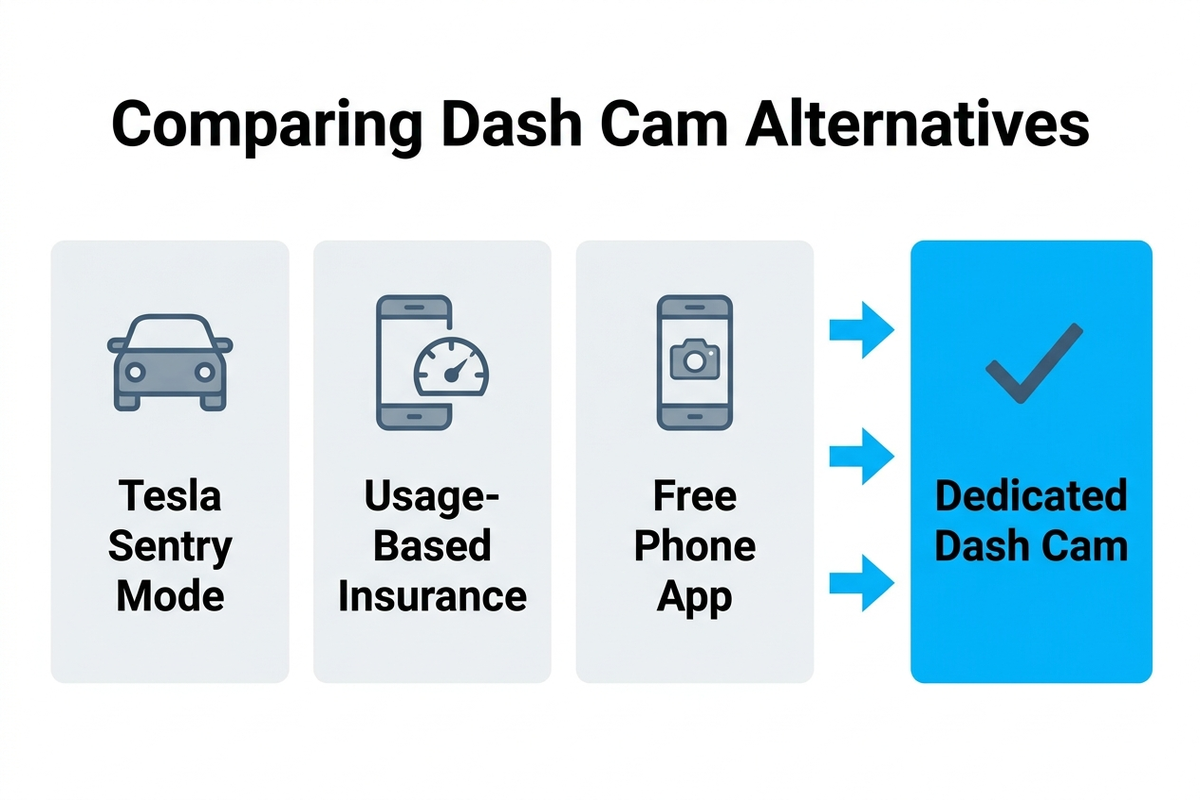
A dash cam does one job well: it produces continuous, timestamped video that can resolve a fault dispute, document a hit-and-run, or catch insurance fraud — a California road-rage case prosecuted in July 2026 turned on exactly this kind of footage. That value is real, but it isn’t unique to purpose-built hardware. The same outcome — footage that exists when you need it — is already delivered, to varying degrees, by systems some drivers already own or are already paying for. The research points to three specific overlaps:
- Factory-installed camera systems already record while driving, for free. Tesla’s Dashcam feature uses the car’s existing forward, side-repeater, and rear cameras to save rolling footage in one-hour segments to a USB drive while the car is in motion, and Sentry Mode uses the same cameras to record when motion is detected around a parked car. Several other EV and ADAS-equipped vehicles have similar built-in recording.
- Insurance telematics already measures driving behavior, even if it doesn’t produce video. Usage-based insurance programs like Progressive Snapshot and State Farm Drive Safe & Save already track acceleration, braking, and mileage to set a rate, and low-mileage drivers get an additional discount tier. That’s a different kind of evidence than video, but it changes the cost-benefit math for drivers it already applies to, especially combined with low exposure from fewer total trips.
- A free smartphone app covers the core use case for occasional drivers. Nexar’s app (iOS 14+, Android 10+) turns a phone into a dash cam at no hardware cost: it records locally and automatically uploads footage to the cloud over cellular when it detects a hard brake, sharp turn, or collision. It’s a lower-resolution, less reliable substitute for a mounted hardware unit, but for someone who drives occasionally and mainly wants proof in a dispute, it closes most of the gap for $0.
None of these alternatives match a dedicated 4K dash cam on video quality, continuous cloud backup, or parking-mode battery management — Tesla’s system tops out at 1080p and has no cloud backup, and Nexar’s free app depends on phone placement and battery life. But “worse on paper” and “not worth buying something else to replace it” are different conclusions, and for the three groups below, the gap doesn’t justify the purchase.
The Three Drivers Where the Data Says Skip It
1. Tesla and EV owners who already use Sentry Mode and Dashcam for light, local driving
Tesla’s built-in system records continuously while driving from the car’s forward, side-repeater, and rear cameras, saving one-hour loop segments to a formatted USB drive, and automatically switches to Sentry Mode when parked, triggering a recording if it detects nearby motion. For a driver doing mostly local, low-stakes commuting, that free, always-on coverage addresses the same fault-dispute and parking-lot-damage scenarios a hardware dash cam is sold to solve. The honest limitations are real: Tesla’s recording caps at 1080p versus the 4K most current standalone units offer, there’s no cloud backup (footage lives only on the USB drive until it’s overwritten), and Sentry Mode can meaningfully drain the 12V battery over a parked day. None of that changes the math for a driver who mainly wants “footage exists if something happens” rather than broadcast-quality video or automatic cloud upload.
The calculation changes if you drive for a rideshare or delivery platform, park in a high-theft area and want guaranteed cloud backup of a break-in, or specifically want 4K footage for an insurance claim or a YouTube dashcam channel. In those cases, an aftermarket unit like the VIOFO A229 Pro (ASIN B0CKYFSKNN, Wirecutter’s top pick after testing 61 models) adds genuine capability Tesla’s built-in system doesn’t have.
Check the VIOFO A229 Pro on Amazon
2. Low-mileage drivers already enrolled in usage-based insurance telematics
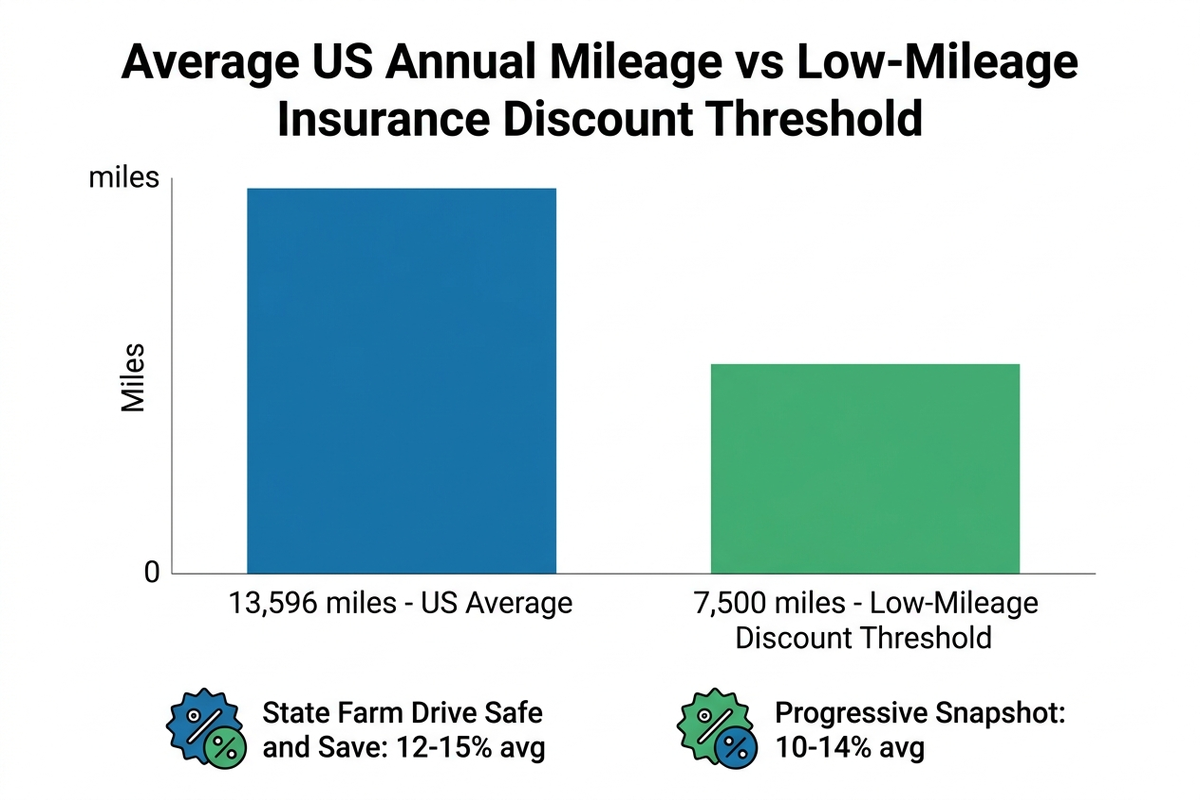
No major U.S. insurer currently publishes a standardized, automatic premium discount just for owning a dash cam — State Farm, Allstate, Progressive, and GEICO do not list one as a line-item discount. What several insurers do offer is usage-based insurance: State Farm’s Drive Safe & Save averages a 12–15% discount (up to 30% for the safest drivers) and applies an additional discount tier under roughly 7,500 miles a year, while Progressive Snapshot averages a 10–14% discount based on a shorter monitoring window. Average U.S. annual mileage is 13,596 miles according to Federal Highway Administration data, so a driver already under the low-mileage threshold and enrolled in one of these programs is both statistically exposed to fewer total trips where a fault dispute could occur, and already being rewarded financially through a channel that has nothing to do with video evidence.
This doesn’t mean a dash cam has zero value for this group — a single bad-luck dispute can still happen on mile one of the year. But the specific argument “I should buy a dash cam because it’ll lower my insurance” doesn’t hold up: insurers aren’t offering that trade directly, and a driver already banking a 12–30% UBI discount for low mileage and safe driving has already captured the insurance-side financial benefit this category’s marketing frequently implies exists.
3. Occasional drivers who just need fault-dispute footage, not 4K video
Consumer Reports’ own testing shows real spread between dash cam tiers — their top-scoring model, the REDTIGER F7NP Basic, earned a 72/100 overall with strong daytime video and audio, while CR notes that most sub-$100 models underperform meaningfully on nighttime video and build quality. That spread matters if you’re buying for video quality. It matters much less if your actual goal is simpler: having some timestamped footage to show an insurer or a police report after a dispute. For that narrower goal, Nexar’s free smartphone app (no hardware purchase required, works on iOS 14+ and Android 10+) automatically records drives and uploads footage over cellular when it detects a hard brake, sharp turn, or collision — covering the core evidentiary use case for $0, with the trade-off of lower video quality and dependence on phone placement and battery.
One caveat applies regardless of which route you take: in two-party-consent states, audio captured without passengers’ or other drivers’ awareness can be ruled inadmissible even when the video isn’t challenged, and footage can still be subject to discovery in a lawsuit even if a judge later excludes it at trial. A phone app and a dedicated hardware unit carry the same legal exposure here — neither one is a shortcut around state recording-consent law.
If you drive often enough, or value enough, that the free-app trade-offs (battery drain, phone placement, lower resolution) actually bother you, a budget hardware unit closes that gap without the premium 4K price tag. The Garmin Dash Cam Mini 3 (ASIN B0DDTCNLG7, roughly $130) is small enough to be nearly invisible on the windshield and handles the core recording job without the installation complexity of a hardwired multi-channel system.
Check the Garmin Dash Cam Mini 3 on Amazon
When a Dash Cam Still Makes Sense
None of this is a case against the category broadly. Daily commuters without a built-in vehicle camera system, rideshare and delivery drivers who need documentation for platform disputes, drivers in areas with high rates of hit-and-run or parking-lot damage, and anyone who specifically wants 4K footage or guaranteed cloud backup are well served by a dedicated unit — and aggregated customer sentiment for the top-tested models skews positive on exactly those points. Consumer Reports’ current top performers, the REDTIGER F7NP Basic and the ROVE R2-4K Pro (ASIN B0CJT3Y97G, scoring 68/100 at roughly $120), cover that mainstream use case well. The data supports buying one if you don’t already have the built-in or free-app coverage described above, or if your driving pattern or location genuinely calls for better footage than those alternatives provide.
Check the ROVE R2-4K Pro on Amazon
Comparison Table
Prices are approximate amazon.com figures at the time of writing (October 2026) and fluctuate.
| Driver profile | What the data suggests | Alternative | Typical cost |
|---|---|---|---|
| Tesla/EV owner with light, local driving | Built-in Sentry Mode + Dashcam already covers the core use case | Use existing Tesla Dashcam/Sentry Mode | $0 |
| Low-mileage driver enrolled in UBI telematics (under ~7,500 mi/yr) | Already capturing insurance savings through a non-video channel; lower trip exposure | Keep current telematics program | $0 |
| Occasional driver needing basic fault-dispute footage | Free phone app covers the core evidentiary use case | Nexar free app (smartphone only) | $0 |
| Daily commuter, rideshare/delivery driver, or no existing camera coverage | Dash cam fits the researched use case | REDTIGER F7NP (B0DKXPBXDZ) or ROVE R2-4K Pro (B0CJT3Y97G) | ~$120–$150 |
| Driver wanting 4K, dual-channel, or cloud backup | Premium hardware adds real capability over built-in/app alternatives | VIOFO A229 Pro (B0CKYFSKNN) | ~$170–$220 |
Check the REDTIGER F7NP on Amazon
Decision Flowchart
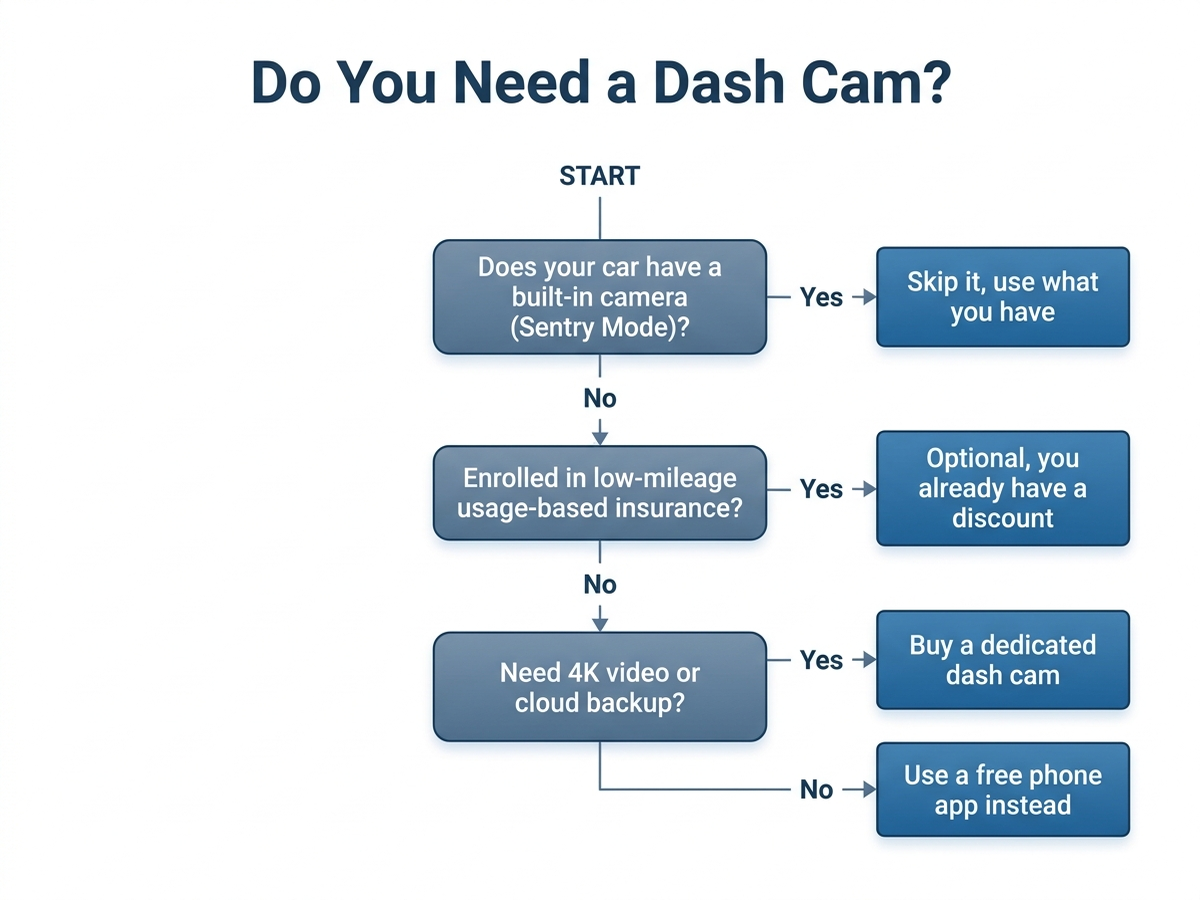
Start with what your vehicle already has: if it includes a built-in dashcam or Sentry Mode system (Tesla and some other EVs) and your driving is mostly local and low-stakes, that free coverage likely already does the job — skip the purchase unless you specifically need 4K video or cloud backup. If you don’t have built-in coverage, check your insurance: if you’re already enrolled in a usage-based telematics program and drive under roughly 7,500 miles a year, you’ve already captured the insurance-side benefit this category is often marketed around, and a dash cam becomes optional rather than a financial no-brainer. If neither applies, ask what you actually need the footage for: basic fault-dispute evidence is covered by a free smartphone app at no hardware cost, while 4K video quality, guaranteed cloud backup, or daily commercial driving (rideshare, delivery) justifies a dedicated hardware unit in the $100–$220 range.
Limitations
This analysis relies on Consumer Reports’ published test scores, Wirecutter’s editorial buying guide, manufacturer documentation for Tesla and Nexar, and published insurance-industry sources on usage-based insurance discount ranges, rather than our own side-by-side test of any specific dash cam model. Insurance discount percentages (State Farm Drive Safe & Save, Progressive Snapshot) are program averages reported by insurance-comparison publications and can vary by state, driving record, and individual policy — readers should confirm current terms directly with their insurer. The claim that no major U.S. insurer offers a standardized automatic dash-cam discount reflects published policy information as of October 2026 and could change if an insurer introduces one. We did not find a sourced, verifiable figure for what share of dash cam buyers fall into the three profiles discussed here, so that proportion is presented as an analytical argument rather than a cited statistic. Two-party-consent recording law varies by state and this article is not legal advice; consult your state’s specific statute before relying on dash cam audio as evidence. Prices fluctuate on amazon.com and should be verified on the current product page before buying.
Bottom Line
Dash cams earned their growth honestly — for a daily commuter, rideshare driver, or anyone without existing camera coverage, a $100–$220 unit delivers real, well-tested value. But the same insurance, legal, and hardware landscape that explains the category’s popularity also shows three overlaps worth checking before you buy: Tesla and EV owners whose built-in Sentry Mode and Dashcam already cover light driving, low-mileage drivers already banking a usage-based insurance discount through a non-video channel, and occasional drivers whose fault-dispute needs a free smartphone app can already meet. If you fit one of those profiles and don’t specifically need 4K video, cloud backup, or commercial-grade reliability, the data points toward using what you already have rather than adding a dedicated unit to the dashboard.
Before you buy, paste the product link into Arekore — our AI assistant checks review authenticity, surfaces what the one-star reviews actually complain about, and compares prices, free, in about five minutes.