10 Shopping Questions Answered With Data (September 2026)
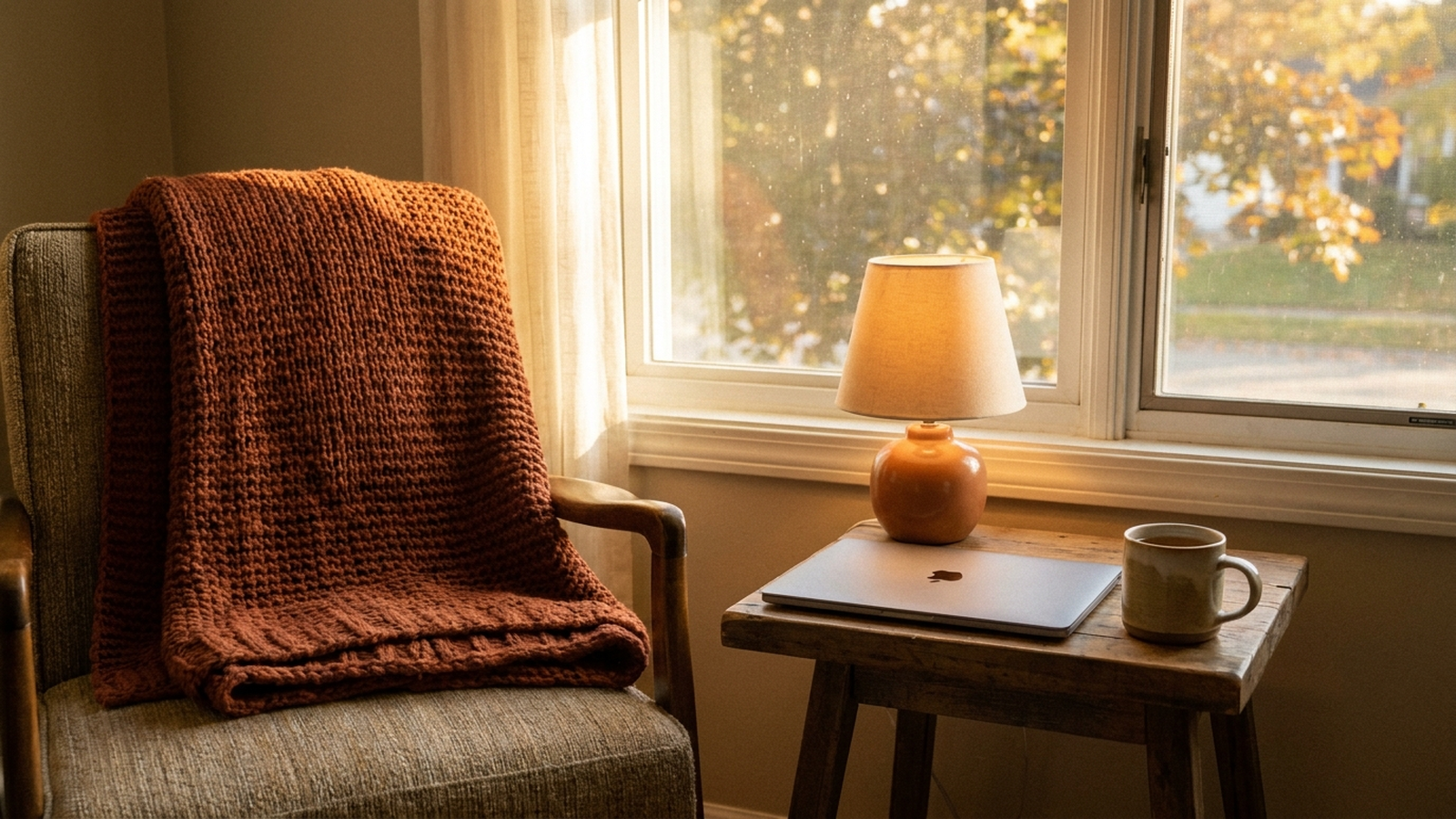
September is the month shopping questions quietly change shape. The back-to-school rush is over, the days are visibly shorter, Amazon has already confirmed Prime Big Deal Days for October 7–8, and last year’s National Retail Federation Halloween survey put spending at a record $13.1 billion — $114.45 per person — a number retailers are already using to plan this season’s promotions. That mix of “should I buy this now” and “should I wait three weeks for a sale” is exactly where a wrong guess costs real money.
We picked 10 of the most common questions people ask heading into fall — thermostats, sleep gear, air quality, seasonal spending timing — and answered each one against specific lab data, aggregated review patterns, and market surveys, being explicit about which is which.
As an Amazon Associate, Arekore earns from qualifying purchases. The Amazon product links in this article may include our affiliate tracking ID and may earn us a commission if you buy through them, at no additional cost to you. See our Links Policy for details on how we select products and how commissions do not influence our recommendations.
TL;DR / Quick Verdict
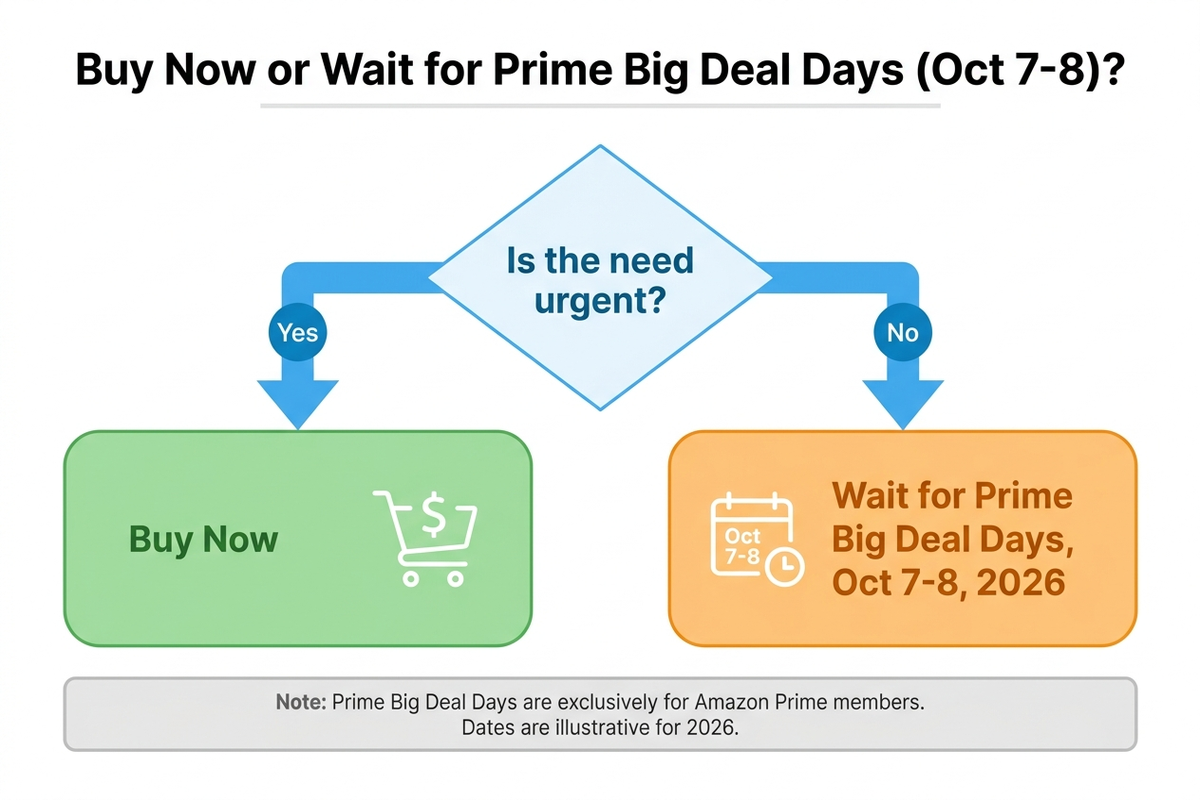
- Amazon has confirmed Prime Big Deal Days for October 7–8, 2026 — for most non-urgent electronics purchases, the data says wait three weeks rather than buy at full price now.
- Light therapy lamps have real evidence behind them for fall mood dips, but only at 10,000 lux and only when used consistently in the morning — a meta-analysis puts the effect size well above placebo.
- Halloween spending hit a record $13.1 billion last year, per NRF, and the survey data shows exactly which categories (candy, costumes) see the deepest discounting versus which (decor) don’t — useful groundwork for this year’s shopping, even before NRF’s 2026 figures publish in mid-September.
- A smart thermostat’s realistic savings are closer to 10–15% for most households, not the 26% ceiling figure manufacturers advertise from their best-case usage scenarios.
- Vacuum storage bags work well for moisture and space, but they don’t kill moth eggs already present in clothing — that distinction matters more than the marketing implies.
How We Reached These Answers (Methodology)
This is an editorial analysis, not a hands-on test — we did not personally test the products named below. Each answer synthesizes: (a) independent testing and research from Consumer Reports, Mayo Clinic, the U.S. Department of Energy, and peer-reviewed meta-analyses on light therapy; (b) manufacturer specifications (lux output, energy-savings percentages, fill weight), explicitly labeled as manufacturer claims where they haven’t been independently re-verified; (c) aggregated amazon.com customer-review sentiment on the specific listings named, sampled in August 2026; and (d) the National Retail Federation’s most recently published Halloween spending survey (September 2025, covering Halloween 2025) for market-level context, since NRF’s 2026 figures had not yet published at the time of writing. Every ASIN referenced was confirmed as a live amazon.com listing at the time of writing. Prices are approximate figures captured at the time of writing and fluctuate.
The 10 Questions
1. Should I buy a light therapy lamp now, before the days get shorter?
Yes, and the timing argument is specifically preventive: research summarized by Mayo Clinic and NPR describes light therapy as most effective when started before seasonal mood symptoms set in, not after they’ve already taken hold. A systematic review and meta-analysis of randomized controlled trials found bright light therapy produced a standardized mean difference of -0.37 in depression ratings versus placebo, with a response-rate risk ratio of 1.42 — a real, if moderate, effect. The catch is intensity: light boxes need to emit 10,000 lux at roughly 8 inches from the eyes for about 30 minutes each morning to match the studied protocol, so a dim desk lamp advertised as “mood lighting” doesn’t qualify. The Verilux HappyLight Luxe is a widely-reviewed model that meets the 10,000-lux, UV-free spec directly.
Check the Verilux HappyLight Luxe on Amazon
2. Is it smarter to buy electronics now, or wait for Prime Big Deal Days on October 7–8?
For most non-urgent electronics, wait. Amazon has confirmed Prime Big Deal Days will run October 7–8, 2026, a 48-hour event historically concentrated on exactly the categories — headphones, smart-home devices, tablets — that don’t have a strong reason to be bought at full price three weeks earlier. Apple’s AirPods Pro 2, for instance, have already hit a tracked all-time-low of $139 during a prior Black Friday period after launching near $249, a pattern that shows Apple’s own hardware discounts meaningfully during major sales events rather than holding a fixed price. The exception is anything solving an active problem right now — a broken thermostat before a cold snap, a light therapy lamp needed this week — where the cost of waiting outweighs a plausible future discount.
Check the Apple AirPods Pro 2 (USB-C) on Amazon
3. Halloween spending hit a record last year — where does the data say to spend, and where to skip?
NRF’s most recent Halloween survey, published in September 2025, put total Halloween 2025 spending at a record $13.1 billion, up from $11.6 billion the year before, with per-person spending reaching $114.45. That survey found 79% of shoppers expected higher prices specifically due to tariffs — a pressure that hasn’t eased since — which is the detail that should shape this year’s timing: categories most exposed to import costs (imported costumes, decor) are the ones least likely to see last-minute discounting, while candy — a domestically-heavy, high-volume category — historically sees the deepest close-to-the-holiday markdowns as retailers clear inventory before it expires. NRF’s 2026 survey typically publishes in mid-September, but the practical takeaway from last year’s pattern still applies: lock in costumes and decor early rather than hoping for a late deal, and wait on candy.
4. Do I need an air purifier for wildfire smoke if I don’t live out west?
Increasingly, yes — smoke plumes now regularly travel across the country and push AQI into unhealthy ranges far from the fire source, which is why Consumer Reports tests air purifiers specifically for smoke removal rather than treating it as a West Coast-only concern. Their testing found similar Honeywell HEPA models effective at reducing dust, pollen, and smoke particles; the HPA300 itself is manufacturer-rated for continuous use in rooms up to roughly 465 sq ft, with the “2,250 sq ft in one hour” figure on its listing describing a faster one-pass clearance claim for a larger space rather than the same continuous-room rating — two different specs worth not conflating. CR’s broader wildfire-smoke guidance recommends running a purifier around the clock during smoke events and replacing filters as soon as the indicator light signals, since a clogged filter measurably loses effectiveness. A purifier is one part of the response — CR also recommends closing windows and sealing gaps with weather stripping during active smoke events, not relying on filtration alone.
Check the Honeywell HPA300 True HEPA Air Purifier on Amazon
5. Do weighted blankets actually help you sleep, or is it a placebo?
The evidence leans toward a real, if modest, effect rather than pure placebo. Independent hands-on testing from outlets like Tom’s Guide and Mattress Clarity on the YnM weighted blanket line specifically reports users falling asleep faster and waking less during the night, a pattern consistent with the deep-pressure-stimulation mechanism weighted blankets are designed around. The manufacturer-recommended weight — roughly 10% of body weight — is a claim we did not independently re-verify, but it matches the guidance repeated across most independent reviews of the category. The YnM 15lb Weighted Blanket with cooling glass beads is a widely-reviewed pick built for the “ideal around 140lbs” sizing guidance and uses glass beads specifically to avoid the overheating that some all-cotton weighted blankets are criticized for in reviews.
Check the YnM 15lb Weighted Blanket (Cooling Glass Beads) on Amazon
6. Is a smart thermostat worth buying before heating season starts?
Worth buying, but temper the expectation set by the marketing number. The manufacturer-advertised “save up to 26%” figure for ecobee’s Smart Thermostat line is a best-case ceiling based on specific usage patterns, not a typical result; the U.S. Department of Energy’s own baseline estimate is closer to 10% savings from proper thermostat scheduling alone, with smart features like geofencing adding to that on top. The ecobee Smart Thermostat Enhanced is Energy Star certified and is the mid-tier model in the lineup, adding scheduling and remote-sensor support without the higher price of the Premium tier’s built-in air-quality monitor — a feature most households buying a thermostat specifically for heating savings don’t need. Buying before the season starts matters less for the discount and more so scheduling is dialed in before the first cold week, rather than being configured reactively.
Check the ecobee Smart Thermostat Enhanced on Amazon
7. Do vacuum storage bags actually protect off-season clothes from moths and mildew?
Partially, and the “partially” matters. Vacuum storage bags are genuinely effective at blocking moisture and reducing the musty odor that comes from long-term storage, and Spacesaver’s Premium line is frequently cited in independent buying guides as remaining fully sealed through repeated testing. What they don’t do is kill moth eggs or larvae already present in a garment before it goes in the bag — sealing an already-infested sweater simply traps the problem with the clothing rather than solving it, which is why guides consistently stress washing and fully drying items before vacuum-sealing them. Store the sealed bags in a cool, dry space rather than a hot attic or damp basement; both extremes reduce the bags’ effectiveness over a multi-month storage period.
Check Spacesaver Premium Vacuum Storage Bags (6-Pack) on Amazon
8. Are flannel sheets actually warmer, or is it just marketing?
Genuinely warmer, and the reason is measurable: flannel’s warmth comes from napping, a finishing process that brushes the woven fabric to create small insulating air pockets, and the degree of warmth scales directly with the fabric’s weight in grams per square meter (GSM). Buying guides converge on 170 GSM as the threshold for “heavyweight,” cold-climate flannel, while sheets rated 130 GSM or below are lighter and more breathable but noticeably less warm — meaning two products both labeled “flannel” can perform very differently, and GSM (not thread count, which flannel manufacturers rarely use as a marketing number) is the spec worth checking before buying. The Bare Home 100% cotton double-brushed flannel set is a widely-reviewed heavyweight option that specifically markets its double-brushing, the finishing step tied to the added warmth.
Check the Bare Home Flannel Sheet Set (100% Cotton, Double Brushed) on Amazon
9. Is it worth buying AirPods Pro 2 now, or should I wait for Black Friday?
Wait, if the purchase isn’t urgent. AirPods Pro 2 have a documented pattern of hitting their steepest discounts during major sales windows — a tracked all-time low of $139 during a prior Black Friday period, well below the $199–$249 price they typically hold for most of the year — and Prime Big Deal Days on October 7–8 sits close enough to that pattern that it’s worth checking before paying full price in September. This is the same logic as question #2 above, applied to the single most price-tracked pair of headphones on Amazon: a two-to-six-week wait has repeatedly been worth $60–$100 for this specific product, based on the tracked price history, though nothing guarantees any individual future sale will match a past one.
10. Is overall fall spending trending higher, and where’s the room to cut?
Based on the most recent data available, yes. NRF’s last published Halloween survey recorded $13.1 billion in spending for 2025, a new record above the prior year’s $11.6 billion, driven partly by 79% of shoppers expecting tariff-driven price increases and partly by participation holding steady at 73% of consumers planning to celebrate — and none of the tariff pressure cited in that survey has reversed since. The clearest room to cut, per that survey’s own framing, is in categories least exposed to tariffs and most prone to late discounting — candy and some domestically-produced decor — while imported costumes and novelty items are the categories where waiting for a discount is the riskier bet, for the same tariff-exposure reasons respondents themselves cited.
Halloween Spending, 2023–2025 (NRF, most recent published data)
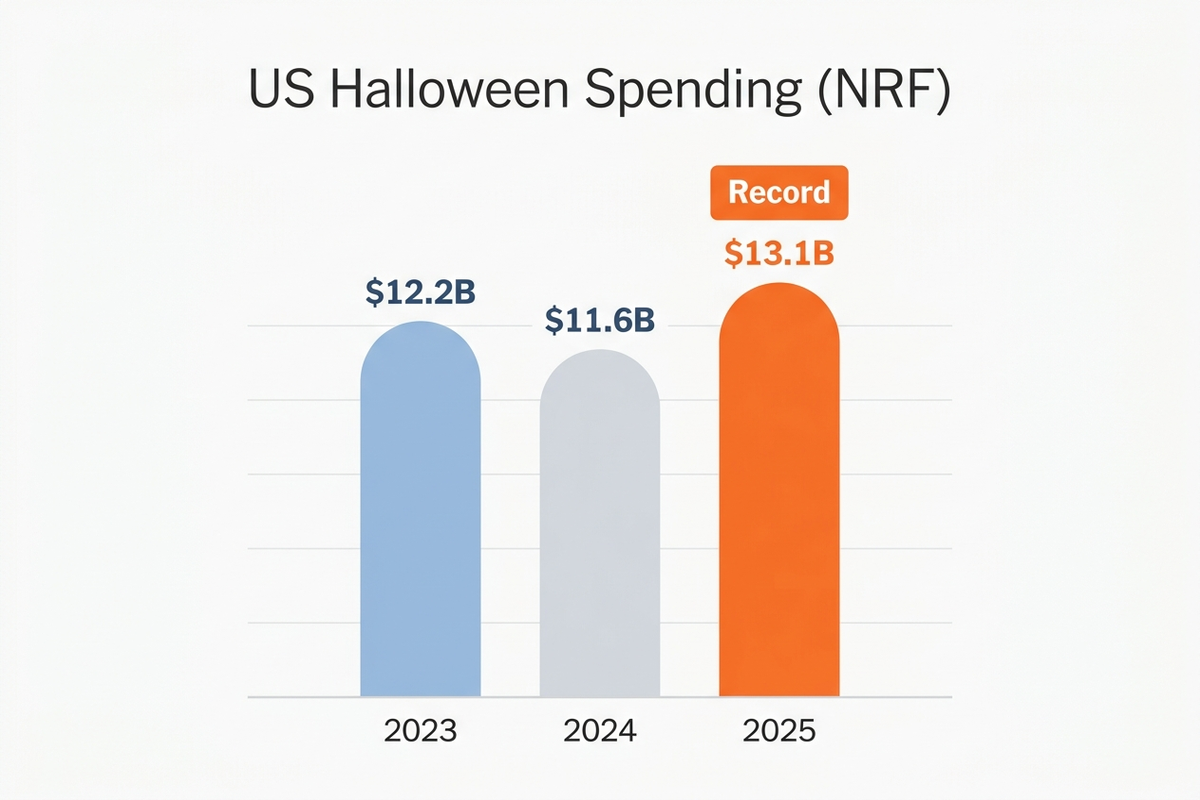
| Year | Total US Halloween spending | Notes |
|---|---|---|
| 2023 | $12.2 billion | Prior record at the time |
| 2024 | $11.6 billion | Dip from 2023 record |
| 2025 | $13.1 billion | New record; $114.45 per person. NRF’s 2026 figures were not yet published at the time of writing. |
Buy Now or Wait for Prime Big Deal Days (Oct 7–8)?
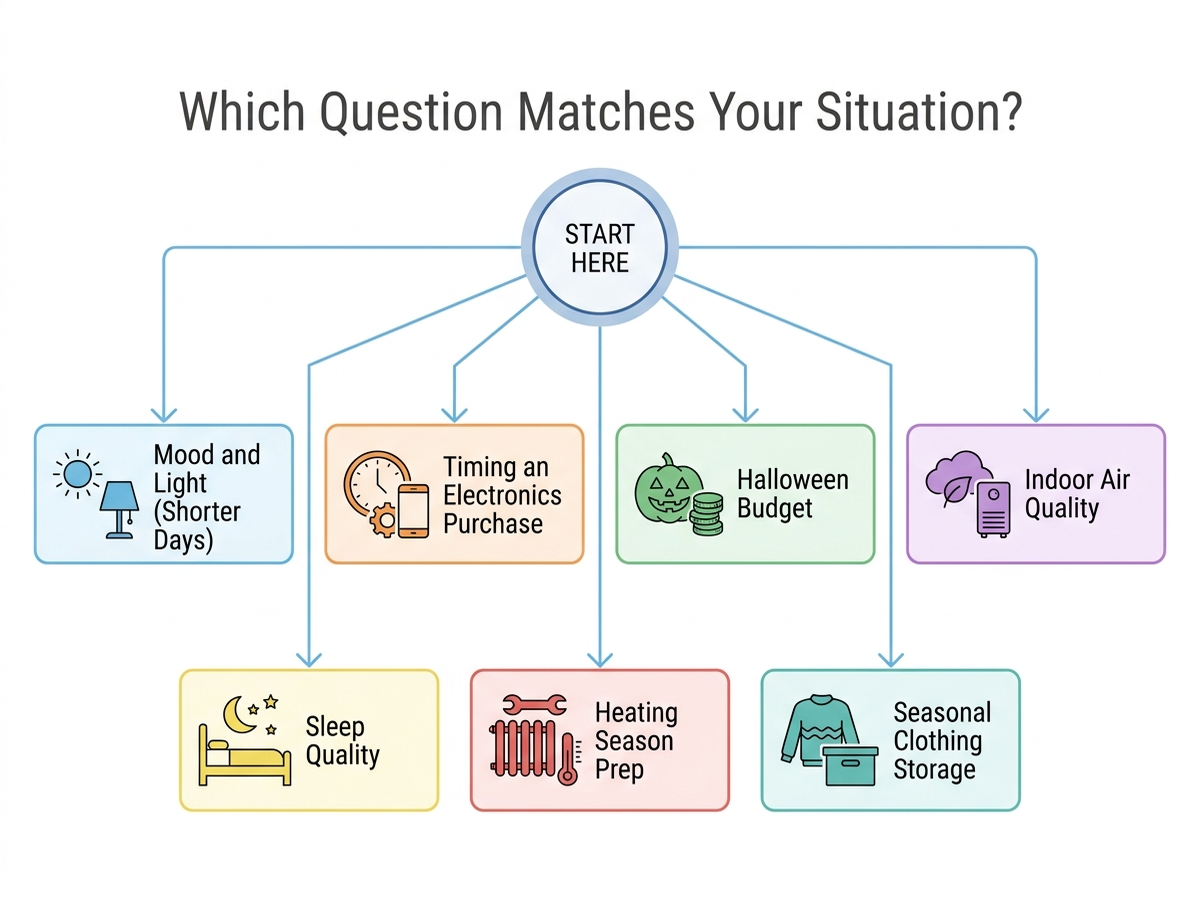
Which Question Matches Your Situation
Quick-Reference Table
Prices are approximate amazon.com figures as of 2026-08-27 and fluctuate.
| Question | Recommended pick | Approx. price | Key data point |
|---|---|---|---|
| Light therapy for fall mood dips | Verilux HappyLight Luxe | ~$45–$55 | Meta-analysis: SMD -0.37 vs. placebo at 10,000 lux |
| Buy electronics now or wait | Apple AirPods Pro 2 (USB-C) | ~$199–$249 | Tracked all-time low: $139 during a prior Black Friday |
| Wildfire smoke air purifier | Honeywell HPA300 | ~$180–$220 | Rated ~465 sq ft continuous / 2,250 sq ft one-pass claim |
| Sleep aid for anxiety/restlessness | YnM 15lb Weighted Blanket | ~$50–$70 | Independent testing reports faster sleep onset |
| Heating-season prep | ecobee Smart Thermostat Enhanced | ~$150–$180 | DOE baseline: ~10% savings from scheduling alone |
| Off-season clothing storage | Spacesaver Premium Vacuum Bags (6-pack) | ~$25–$35 | Blocks moisture/odor; does not kill existing moth eggs |
| Warmer bedding for fall | Bare Home Flannel Sheet Set | ~$35–$55 | 170+ GSM = “heavyweight” cold-climate threshold |
Limitations
This analysis relies on independent testing and research (Consumer Reports, Mayo Clinic, peer-reviewed light-therapy meta-analyses, U.S. Department of Energy guidance), manufacturer specifications, aggregated amazon.com review sentiment, and the National Retail Federation’s most recently published Halloween spending survey (September 2025, covering Halloween 2025 — NRF’s 2026 figures were not yet available at the time of writing), rather than our own hands-on testing of every product named. Manufacturer-claimed figures (energy savings percentages, fill weight, coverage area) are labeled as such where they have not been independently re-verified by a third-party lab. Price-history figures (AirPods Pro 2’s tracked low) reflect past sales events and are not a guarantee that any specific future sale will match them. NRF spending figures are survey-based averages across many households and will not match any individual household’s actual spending. Prices fluctuate on Amazon and may differ from the ranges listed by the time you read this. Individual experience may vary based on climate, home size, and unit-to-unit variance.
Bottom Line
Most of September’s shopping questions come down to timing more than product choice: whether a discount is three weeks away, whether a product solves a problem that’s already happening (shorter days, an already-drafty room) versus one that can wait, and whether a marketing number (26% energy savings, “kills moths”) survives contact with the underlying data. Where a specific product already has independent testing behind it, we’ve named it — where the honest answer is “wait until October 7,” we’ve said that instead.
Before you buy anything, paste the product link into Arekore — our AI assistant checks review authenticity, surfaces what the one-star reviews actually complain about, and compares prices, free, in about five minutes.